
Top AI Video Generation Tools in 2026 for Creators, Brands, and Studios
AI video generation tools in 2026 are no longer simple text to video experiments. They are evolving into full creative systems that combine storytelling logic, cinematic control, and adaptive intelligence.
Instead of asking which AI video generator is the best, creators are now asking how these tools fit into real production workflows. From short-form content to long-form narratives, AI video creation software in 2026 is becoming a core creative layer rather than a novelty.
How AI Video Generation Tools Are Evolving Toward 2026
The biggest shift heading into 2026 is from generation to orchestration.
Early AI video generators focused on producing short clips. Next generation AI video tools now focus on:
- Multi-scene generation instead of single outputs
- Persistent characters across clips
- Story-aware sequencing
- Timeline-based assembly rather than isolated prompts
This evolution mirrors trends discussed in internal content around AI video trends taking over the internet, where outputs are becoming more structured, intentional, and cinematic.
AI video generation in 2026 is less about pressing a button and more about directing a system.
What Defines Next Generation AI Video Tools
AI video generators in 2026 are defined by capability depth, not surface-level features.
Key defining traits include:
| Capability | Why It Matters |
|---|---|
| Temporal consistency | Prevents flicker and style drift across scenes |
| Character persistence | Enables storytelling instead of random visuals |
| Camera and motion control | Supports cinematic language |
| Multimodal understanding | Blends text, images, audio, and motion |
| Timeline editing | Allows creators to shape narratives |
These qualities separate future-ready AI video platforms from experimental tools. This aligns closely with ideas explored in agentic AI video systems and AI director and autonomous filmmaking content.
Top AI Video Generation Tools to Know in 2026 (Features, Unique Strengths, and Pricing)
When people search for AI video generation tools in 2026, they want to see actual tools they can use, not just theory. Below is a comprehensive list of major platforms shaping this space today, plus what makes each of them unique, their key features, and general pricing direction.
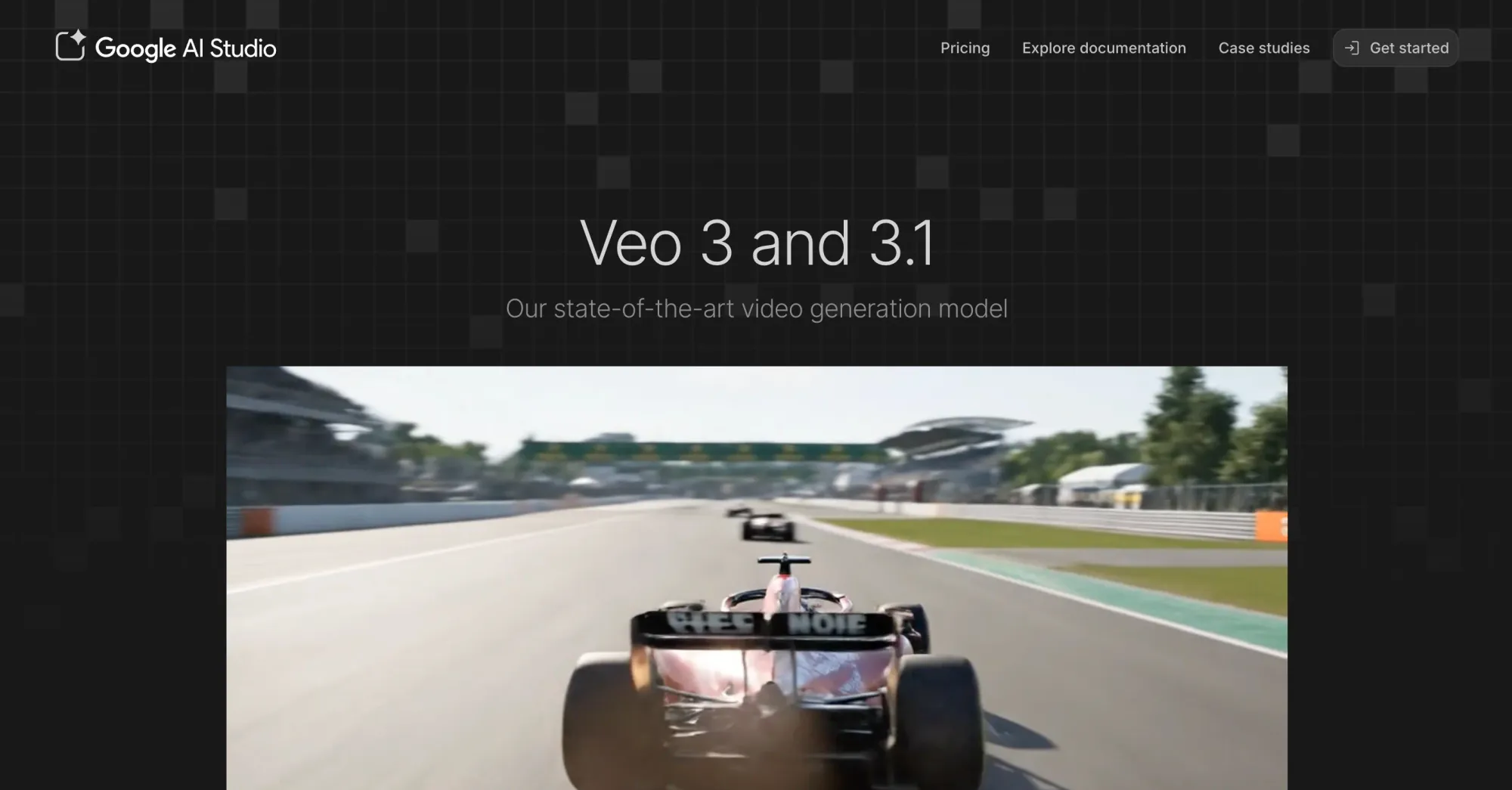
1) Google Veo
Link: aistudio.google.com/models/veo-3
Key Features:
- Text to video generation with natural motion and scene continuity
- Built-in audio synchronization
- Supports combined text and image prompting
What’s Unique:
Strong physics awareness and cinematic realism driven by large-scale research models.
Pricing:
Credit-based access through partner platforms, typically starting around entry-level subscription tiers.
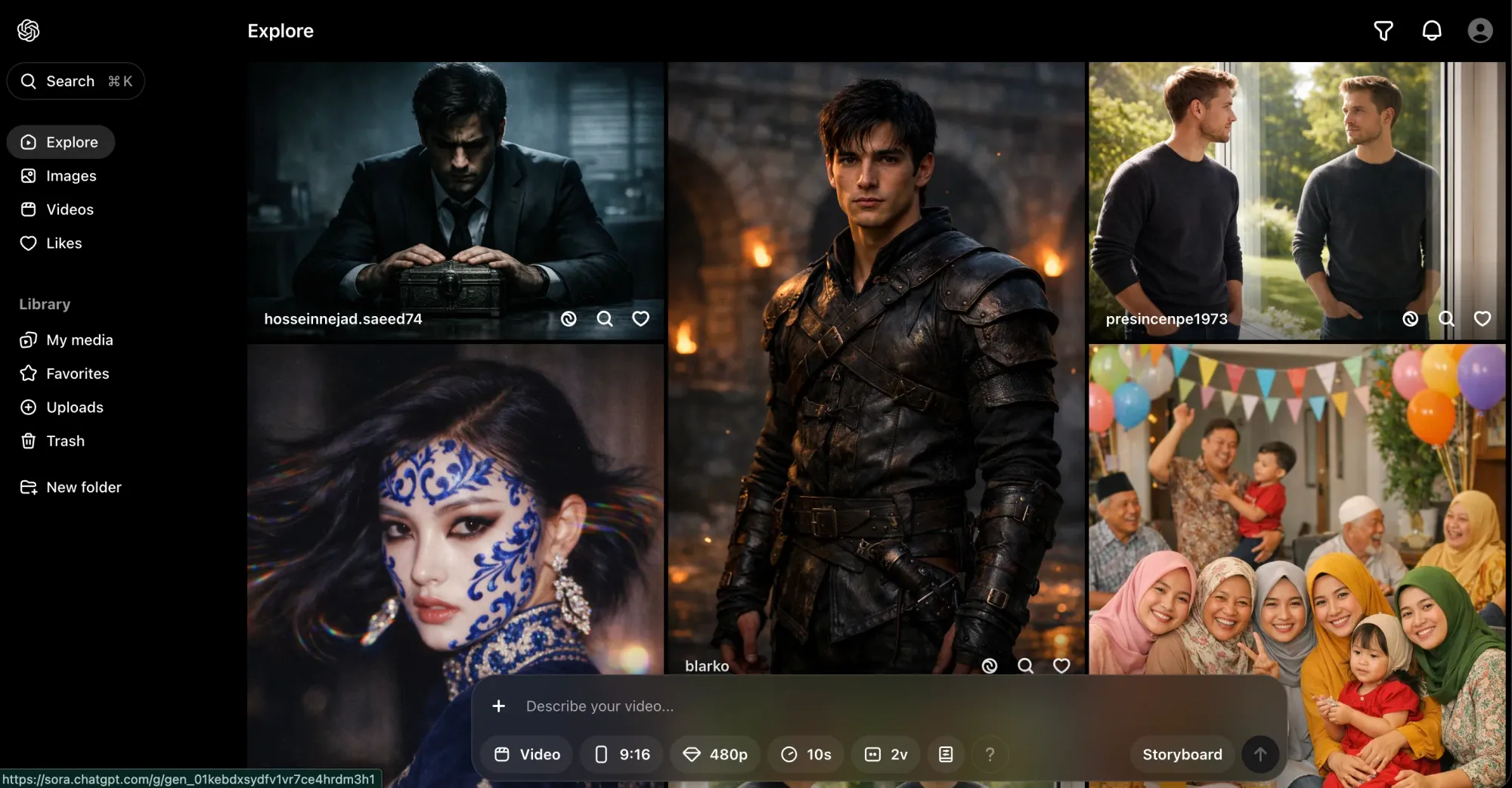
2) OpenAI Sora
Link: sora.openai.com
Key Features:
- Text to video generation with multimodal support
- Storyboard-style scene planning
- Flexible aspect ratios for social and long-form video
What’s Unique:
Deep integration with language models enables strong narrative coherence across scenes.
Pricing:
Free tier available, with higher subscription tiers unlocking longer duration, higher resolution, and faster generation.
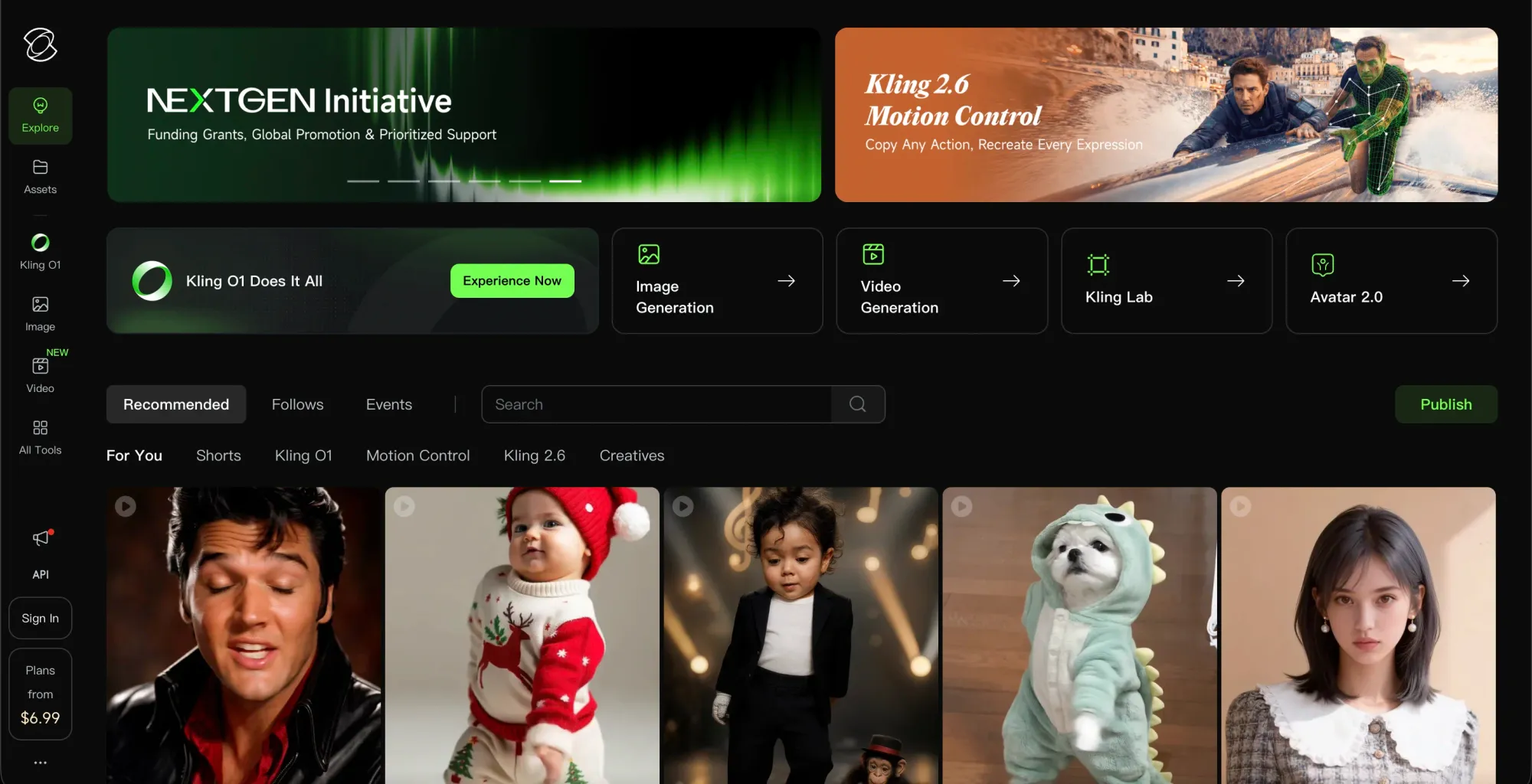
3) Kling AI
Link: app.klingai.com/global
Key Features:
- Text and image to video generation
- Optimized for marketing and social content
- High frame rate outputs up to 48FPS
What’s Unique:
Excellent character consistency and smooth motion across clips.
Pricing:
Credit-based plans starting at low monthly entry points with scalable usage.
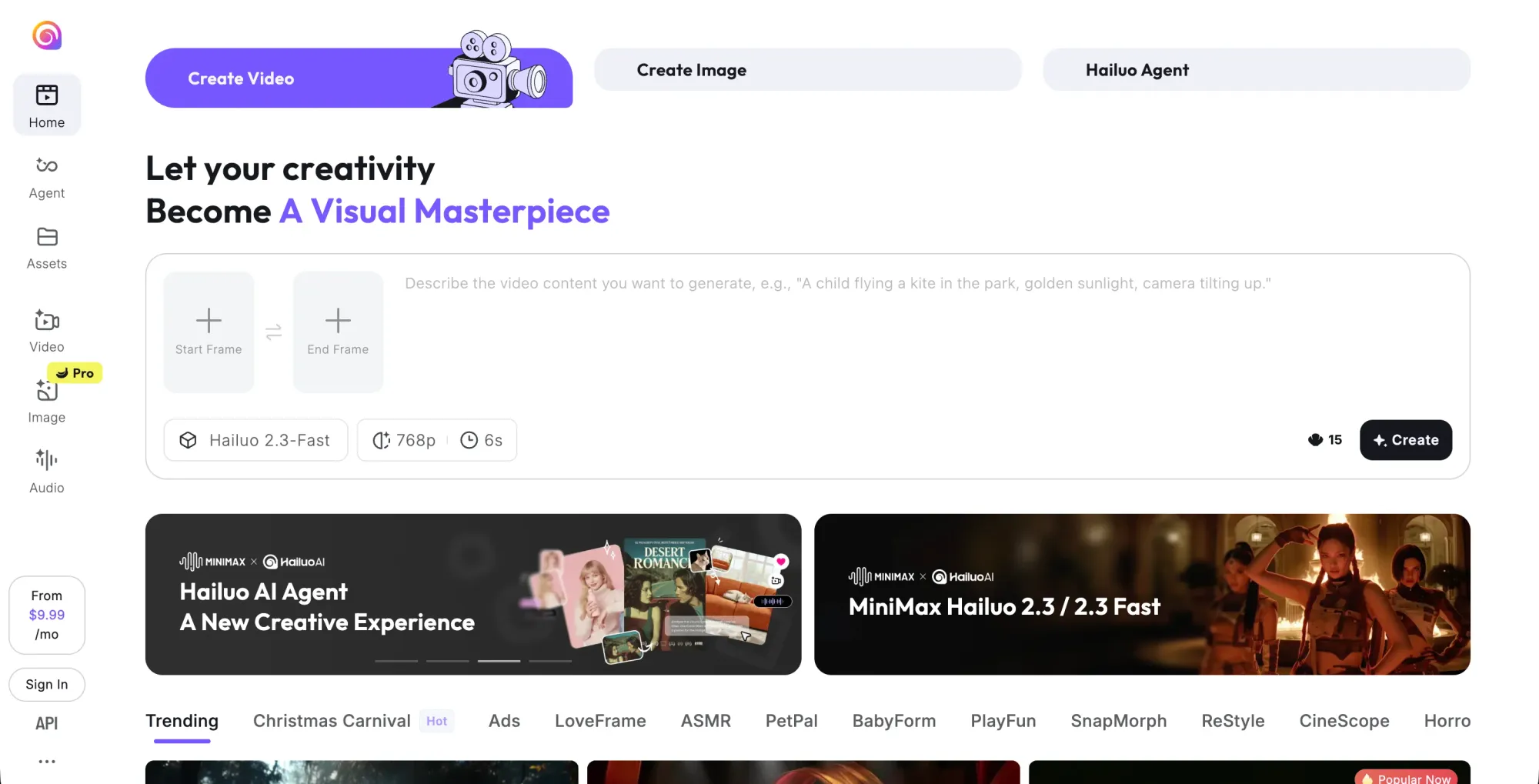
4) Hailuo AI
Domain: hailuoai.video
Key Features:
- Text to video generation with cinematic motion
- Simple prompt-based workflow
What’s Unique:
Strong free tier with generous credits, making it accessible for experimentation.
Pricing:
Free credits available, with paid plans for extended use.
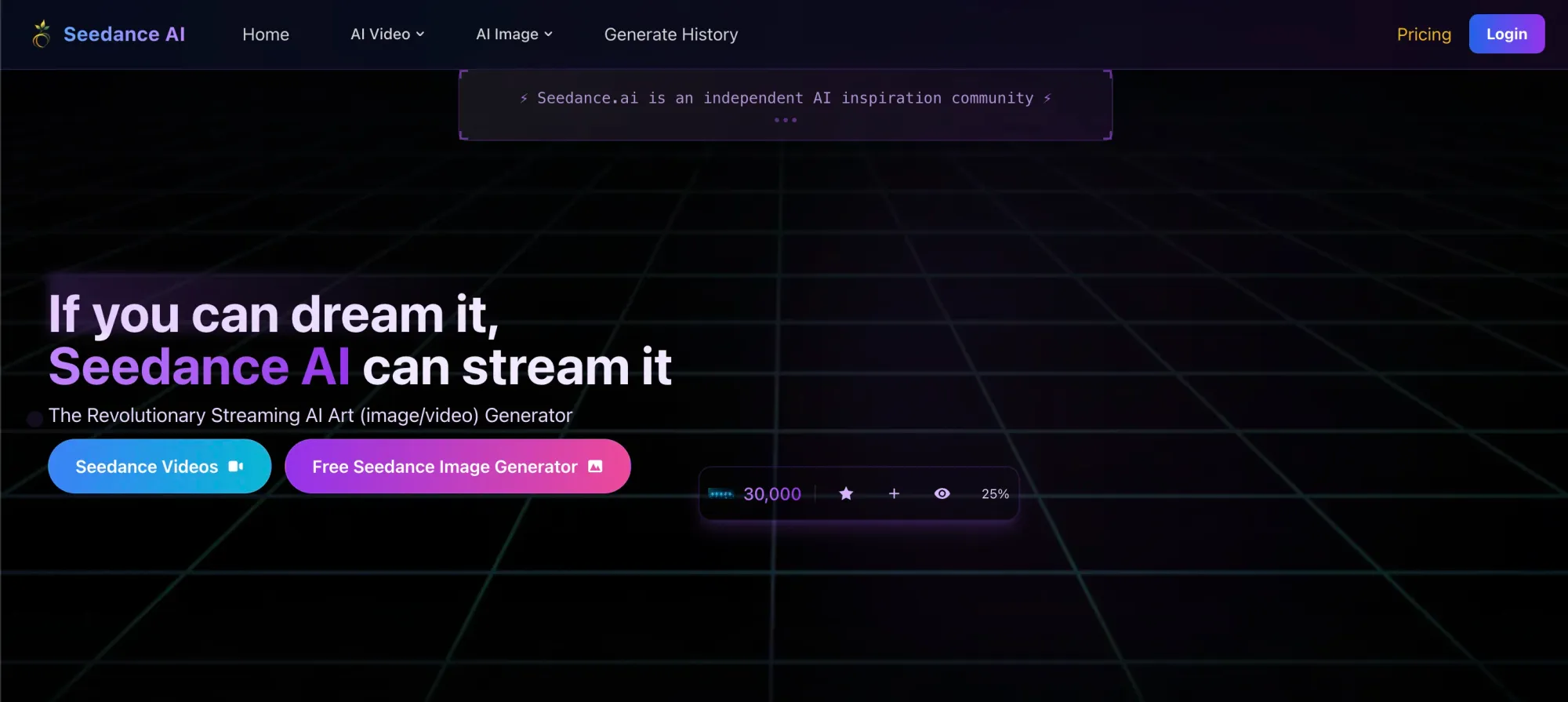
5) Seedance AI
Domain: seedance.ai
Key Features:
- Text to video and image to video modes
- Smooth motion and multi-shot storytelling support
What’s Unique:
Designed for multi-style content creation, especially for social and campaign workflows.
Pricing:
Subscription-based plans ranging from mid-tier to higher professional tiers.
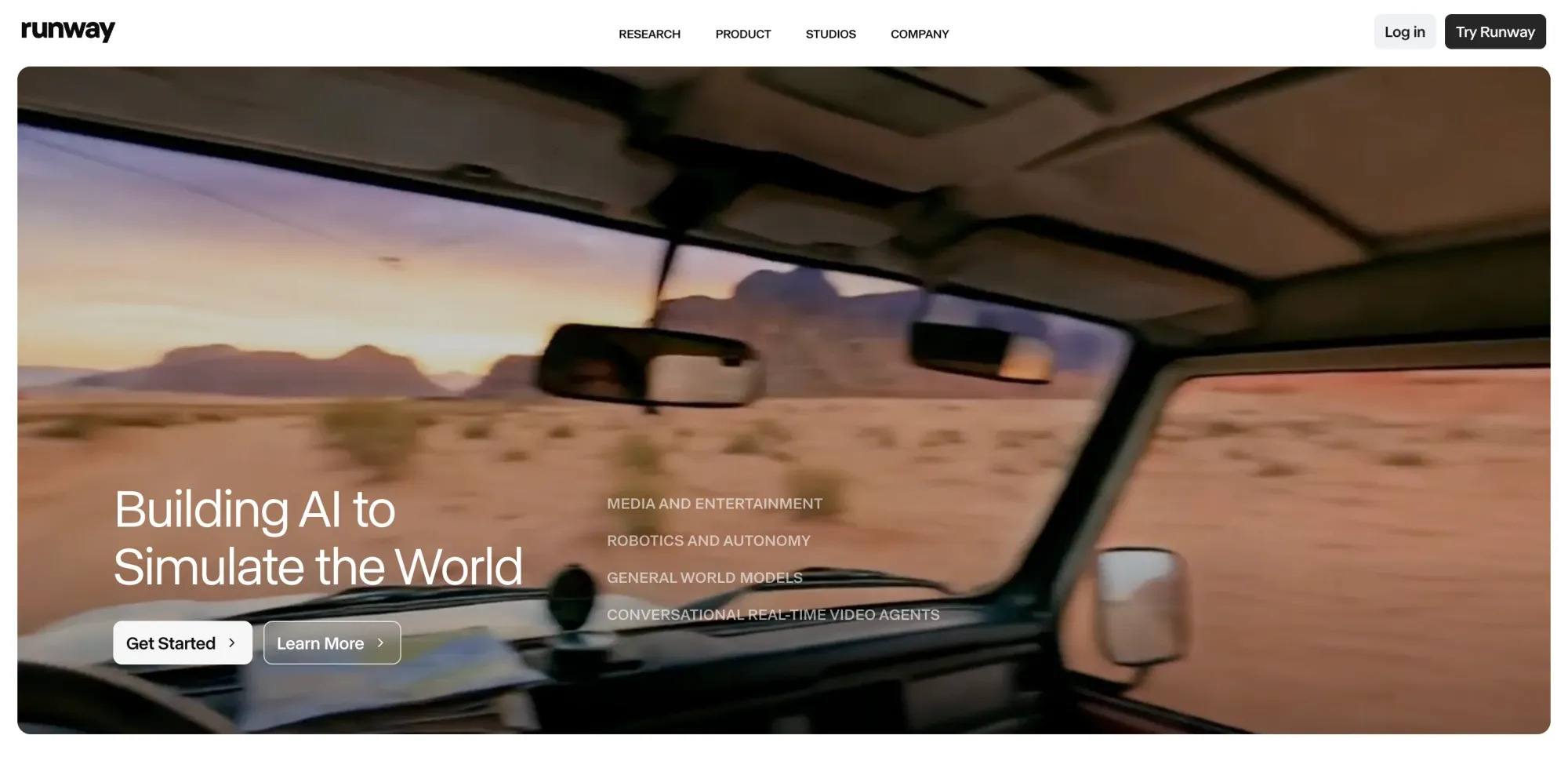
6) Runway ML
Domain: runwayml.com
Key Features:
- Advanced text to video and image to video generation
- Built-in editing tools such as object removal and motion effects
- High-quality cinematic outputs
What’s Unique:
Blends AI generation with traditional editing workflows in a single interface.
Pricing:
Free tier available, with paid plans scaling from entry-level creators to enterprise usage.
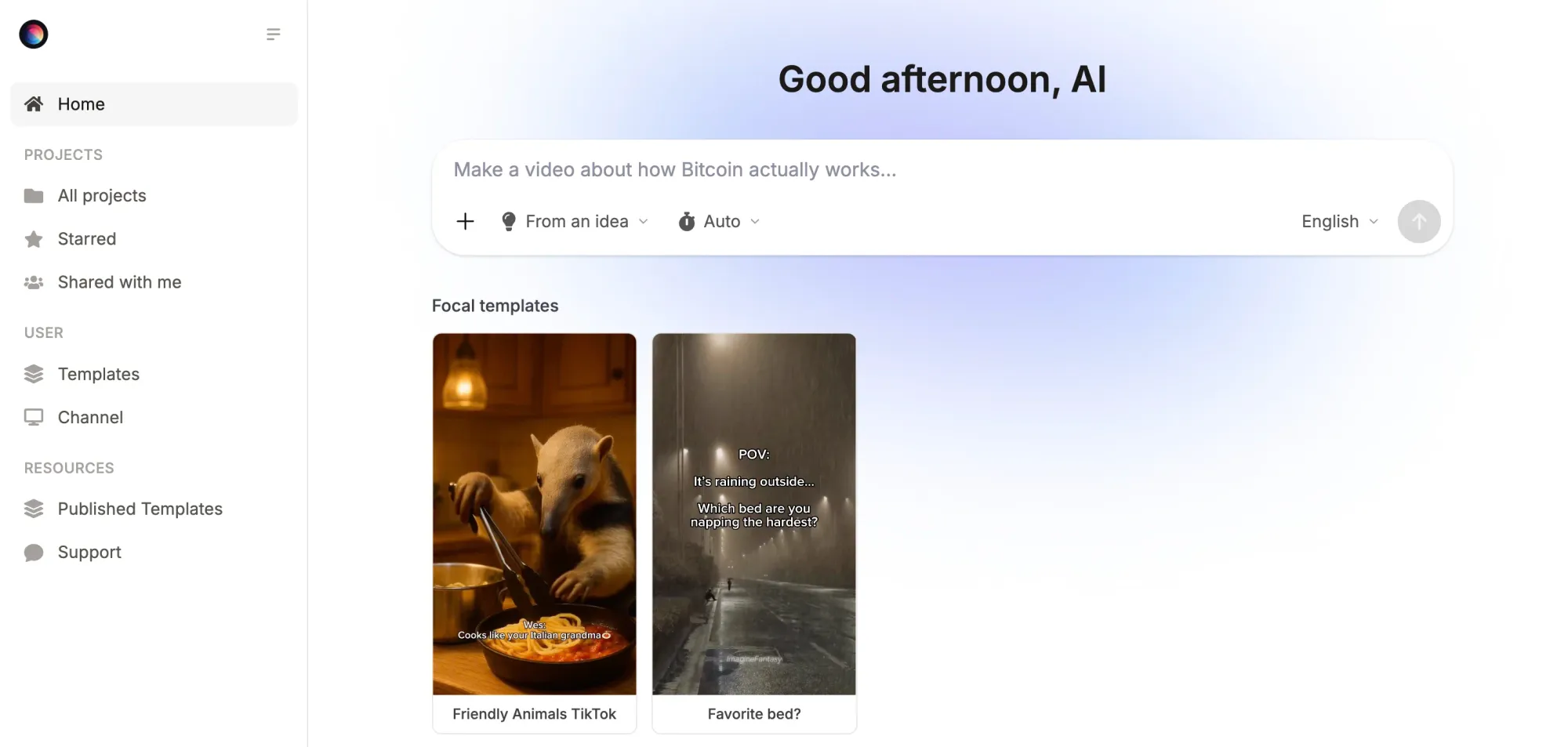
7) Focal ML
Domain: focalml.com
Key Features:
- Script to video generation for structured storytelling
- Timeline-based AI video workflows
- Multi-model support
What’s Unique:
Combines multiple AI video models such as Kling, Hailuo, Seedance, and Runway in one platform, allowing creators to iterate without switching tools.
Pricing:
Free tier available, with paid upgrades for extended usage and advanced workflows.
8) Higgsfield
Domain: higgsfield.ai
Key Features:
- AI video and image generation with cinematic presets
- Simple prompt-based creation
What’s Unique:
Professional preset effects and templates designed for fast, polished outputs without manual editing.
Pricing:
Usage-based or credit-based pricing depending on output length and features.

Summary of Tool Domains
| Tool | Domain |
|---|---|
| Google Veo | aistudio.google.com/models/veo-3 |
| OpenAI Sora | sora.openai.com |
| Kling | klingai.com/global |
| Hailuo | hailuoai.video |
| Seedance | seedance.ai |
| Runway ML | runwayml.com |
| Focal | focalml.com |
| Higgsfield | higgsfield.ai |
Core Capabilities Creators Expect in 2026
By 2026, creators expect AI video generation tools to behave like collaborators.
Core expectations include:
- Text to video generation with controllable pacing
- Image to video synthesis that preserves style
- AI assisted storyboarding and shot planning
- Scene continuity across long clips
- Real time preview and iteration
For creators building YouTube, Shorts, or TikTok content, AI video tools for creators in 2026 must support speed without sacrificing creative control. This pairs naturally with insights from high dopamine AI video content strategies.
AI Video Generation Use Cases by Industry
AI video generation tools in 2026 are used differently depending on the industry.
Creators
- Faceless channels
- Short-form content at scale
- Serialized AI storytelling
Brands
- Personalized video at scale
- Adaptive ad variations
- Real time campaign visuals
Studios and Agencies
- Concept visualization
- Pre-production story tests
- AI assisted editing workflows
These workflows naturally intersect with AI photo to video tools, especially when still assets are turned into animated sequences.
What the Future Beyond 2026 Looks Like
Beyond 2026, AI video generation is moving toward autonomous creative systems.
Emerging signals include:
- AI directors that adjust pacing based on viewer engagement
- Emotion-aware video sequencing
- Self-editing AI videos
- Fully AI generated series and films
This future reinforces the importance of platforms that prioritize workflows, not just raw generation.
Create Smarter AI Videos, Not Just Faster Ones
The future of AI video generation tools in 2026 is about control, continuity, and creativity. Platforms that unify multiple AI models, timeline workflows, and cinematic intent will define how creators build next-generation content.
If you want access to multiple top tier AI video models in one streamlined creative workflow, Focal puts them all in one place.
FAQs: AI Video Generation Tools in 2026
What will AI video generation tools look like in 2026?
They will function as creative systems with memory, continuity, and timeline-based control rather than single-prompt generators.
Are AI video tools replacing traditional video editors?
No. They are augmenting editors by handling generation, iteration, and experimentation while humans retain creative direction.
Can AI generate full movies by 2026?
Technically yes, but most outputs still benefit from human oversight for narrative coherence and emotional depth.
Which AI video generator is best for creators in 2026?
The best tools prioritize workflow flexibility, character persistence, and cinematic control rather than one-click outputs.
How accurate are AI generated videos in 2026?
Accuracy has improved significantly, especially in motion consistency and lighting, though realism still varies by use case.