How Neuromorphic AI Is Making Video Generation More Realistic
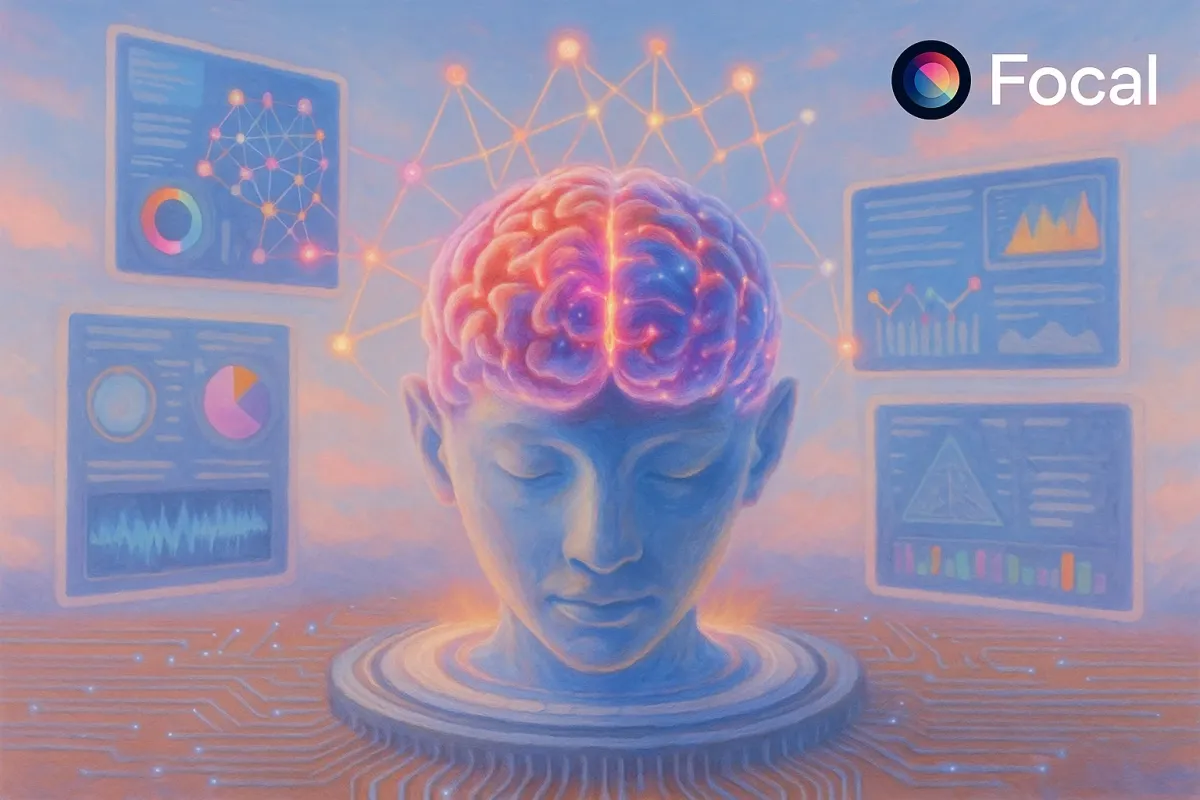
The next leap in video realism is arriving quietly through neuromorphic AI. Instead of relying on standard frame-by-frame logic, these systems imitate how the human brain processes movement, timing, and light. The result feels alive, not animated. Viewers no longer just watch generated clips, they sense the motion and texture as if it were filmed in the real world.
Humanlike Timing Creates Authentic Motion
One of the main giveaways in earlier AI videos was perfect rhythm. Movements appeared too smooth and evenly spaced. Neuromorphic AI fixes that by using spike-based signaling, which mirrors how neurons fire in the brain. This creates natural timing, irregular but believable.
Key motion improvements with neuromorphic systems:
- Asynchronous micro-movements that prevent robotic behavior
- Spontaneous facial gestures rather than fixed expression loops
- Realistic inertia and weight when objects start or stop moving
These micro-details give generated humans and objects that crucial sense of biological timing.
Texture and Light Now React Like Real Surfaces
In previous AI rendering, light and surface texture often behaved unnaturally. Skin looked plastic, shadows too sharp, and reflections repetitive. Neuromorphic systems treat lighting as a living variable that adapts to context, not a static post-process effect.
| Visual Element | Traditional AI Rendering | Neuromorphic Rendering |
|---|---|---|
| Skin | Uniform and glossy | Textured with natural pore detail |
| Shadows | Fixed direction | Adaptive, soft-edged, and environment-sensitive |
| Reflections | Linear repetition | Dynamic variation and realistic shimmer |
This shift lets videos carry depth. Fabrics ripple under changing light, metals glint with small fluctuations, and skin maintains organic warmth under motion.
Emotional Storytelling Feels Naturally Grounded
Neuromorphic AI does not just improve the visuals, it changes the emotional rhythm of a story. When micro-expressions, gestures, and breathing patterns occur naturally, characters suddenly feel convincing. Animators spend less time on manual adjustments, and more time shaping narrative tone.
Realistic storytelling benefits include:
- Emotional authenticity in close-up scenes
- Subtle gestures matching dialogue and pacing
- Continuity between takes without visible resets
These effects help audiences connect with characters on a subconscious level, building trust and immersion.
Fusion of Sound and Motion Builds True Coherence
Older AI workflows often treated sound as a separate layer, added after visuals were ready. Neuromorphic systems merge them at the data level. Since audio and video signals share the same timing patterns, movement and sound align automatically.
Examples of sound-motion coherence:
- A dancer’s step synchronizes naturally with footfall sound pressure
- Raindrops intensify both visually and acoustically together
- Facial motion aligns with voice resonance in real time
This sensory unity eliminates that awkward mismatch between sight and sound that used to betray synthetic production.
Viewers Trust What Feels Imperfect
Realistic AI video is no longer about flawless smoothness. It is about imperfection that feels human. Slight timing shifts, uneven reflections, or subtle color drifts convince the viewer that the scene is alive.
Trust factors seen in neuromorphic video:
- Slight irregularities in gesture rhythm
- Non-repetitive motion sequences
- Real-time response to light and ambient changes
When an AI system stops trying to be perfect, it starts becoming believable.
Creative Production Gains New Efficiency
For production teams, the shift is practical as well as visual. Neuromorphic systems generate more realism with less manual correction and smaller datasets. Animators can focus on composition rather than constant retouching.
Advantages for creative workflows:
- Smaller training data requirements
- Stable realism under varying lighting conditions
- Seamless emotion continuity between generated clips
This is changing the creative mindset from polishing outputs to designing experiences.
Bring Realism To Your Own AI Videos
Pretty wild how close neuromorphic AI can get to the look and feel of real life, right? The thing is, you do not need to be a studio or a researcher to use this kind of realism. When you start blending different AI models that think and react more like humans, your videos stop feeling synthetic and start feeling seen. Those tiny imperfections, that soft light drift, that natural pause between actions... they all add a level of truth that your audience instantly connects with.
So if you have been wanting your generated videos to carry that believable motion and emotional tone, try building them inside Focal. You can experiment with several AI models that layer together to give you the same kind of organic timing and texture we talked about here. Realistic visuals do not need a massive budget, just the right neural rhythm.
Models are becoming more brain-like. Use Focal to generate video that responds to input in smoother, more adaptive ways.
📧 Got questions? Email us at [email protected] or click the Support button in the top right corner of the app (you must be logged in). We actually respond.
Frequently Asked Questions
1. What is neuromorphic AI in video generation?
Neuromorphic AI in video generation means using brain-inspired computing to make videos move and react more naturally. Instead of processing every frame the same way, it interprets timing, motion, and texture the way biological neurons would. This makes the visuals smoother, less robotic, and closer to real human perception.
2. How does neuromorphic AI make videos more realistic?
Neuromorphic AI makes videos more realistic by recreating the natural timing and irregularities found in human motion and light. It focuses on subtle elements like micro-expressions, eye movement, and dynamic shadows. The result is video output that feels emotionally genuine and visually organic.
3. Can I use neuromorphic AI with other AI video tools like Focal?
Yes, AI tools like Focal can integrate neuromorphic-inspired models that help create more realistic movement and lighting in your videos. These tools combine several AI systems so your generated clips carry a natural sense of timing and emotion without heavy editing.
4. What makes neuromorphic AI different from traditional AI for video?
Traditional AI video generation works by predicting pixels frame by frame. Neuromorphic AI operates through event-driven signals that simulate how our brains process sight and sound. This difference allows it to handle complex details such as lighting, sound syncing, and motion inertia in a more lifelike way.
5. Is neuromorphic AI useful for content creators and businesses?
Yes, neuromorphic AI is very useful for creators and brands who want their video content to look authentic. Whether you are producing social media visuals, training materials, or storytelling ads, it adds humanlike rhythm and depth that make audiences trust what they see.
6. How can I start generating realistic videos using AI tools like Focal?
You can start generating realistic videos using AI tools like Focal by exploring their model library and combining different generative techniques. Focal lets you test multiple AI systems, including ones inspired by neuromorphic design, to produce lifelike animation, lighting, and motion without manual tuning.
7. Do neuromorphic AI videos take longer to generate than normal AI videos?
Neuromorphic AI videos do not always take longer to generate. In many cases, they are more efficient because they use fewer data inputs and rely on event-based processing. This means they can produce realistic motion and lighting faster than traditional systems that require heavy frame computation.