
How AI-Powered Studios Are Redefining Virtual Production Workflows
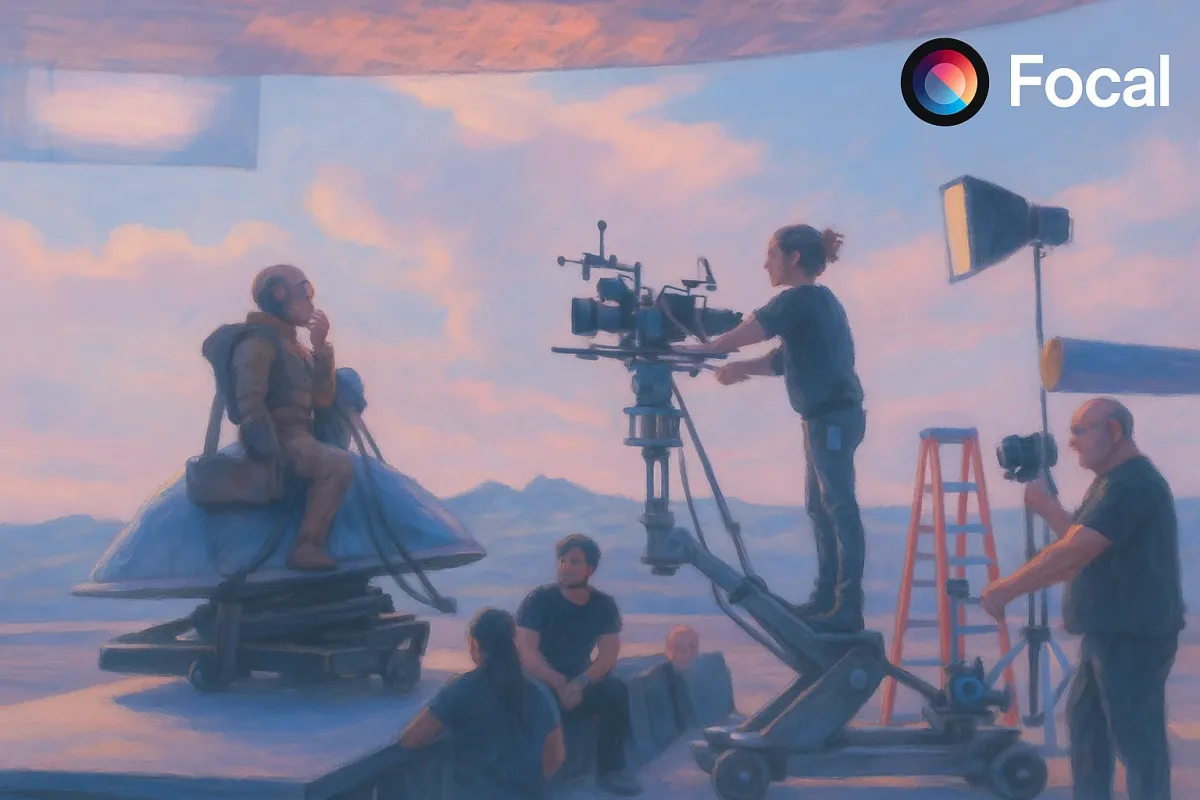
The rise of AI-powered studios is quietly changing how stories move from concept to final render. Instead of waiting for weeks between stages, creative teams now move through previsualization, design, and postproduction almost as if they were one continuous process. What once took a warehouse full of equipment can now happen in a single digital space.
Real Time Environments that Respond Instantly
Virtual sets used to depend on prebuilt assets and heavy rendering pipelines. AI now allows environments to generate, light, and adapt in real time based on what a scene requires.
Key improvements include
- Dynamic scene generation from text or sketch input
- Instant mood lighting that adapts to the tone of a shot
- Automated weather and day-night cycles for consistent realism
| Before AI Workflows | With AI-Powered Virtual Sets |
|---|---|
| Manual modeling and texture passes | Procedural asset generation guided by prompts |
| Separate lighting and rendering steps | Adaptive lighting responding to camera data |
| Rigid prebuilt set limitations | Infinite environmental variations per scene |
These responsive worlds mean directors can explore creative angles on the spot without waiting for technical teams to rebuild assets overnight.
Smarter Collaboration Between Artists and Machines
AI does not replace the artist. It becomes the unseen assistant that automates repetitive work and opens new layers of creativity. In many virtual production pipelines, this looks like:
- AI-assisted asset libraries that tag and surface props, costumes, and character rigs based on shot context
- Auto-composition tools that match depth, scale, and lighting between live and digital elements
- Virtual art direction assistants that suggest variations of scenes for pacing, emotion, or continuity
Instead of multiple departments passing files back and forth, teams can experiment together inside a shared environment, guided by machine-learning insights that understand cinematic language.
Virtual Actors and Performance Consistency
Digital doubles and AI-driven characters are improving performance continuity across long productions. Motion-capture adjustments that once took days now resolve instantly with generative retargeting.
Benefits include
- Maintaining consistent performances across reshoots
- Filling in missing frames using predictive motion synthesis
- Matching facial and lighting cues between human and virtual performers
AI enables subtle control, helping directors maintain emotional truth without overburdening post teams.
Reducing Waste and Rework in the Pipeline
One of the quiet revolutions of AI-based virtual production is efficiency. Every retake, every reshoot, every new render traditionally costs time, energy, and storage. Machine learning reduces this waste by predicting what the next stage of production will require.
| Workflow Stage | Traditional Issue | AI Driven Improvement |
|---|---|---|
| Previsualization | Long iteration cycles | Real time generation of camera paths and storyboards |
| Rendering | Heavy compute requirements | Intelligent frame prediction and adaptive scaling |
| Postproduction | Manual compositing and color match | Automated layer integration and tone balance |
This means faster turnarounds without sacrificing creative precision. Teams spend more time crafting stories and less time troubleshooting exports.
Training Models for Each Production Style
While generic AI systems can assist in production, studios now train models on their own creative language. Over time, the system learns how a specific brand of storytelling looks and feels.
This leads to
- Seamless style continuity across projects
- Reusable creative DNA that accelerates new productions
- Asset reuse that remains visually consistent yet adaptable
Think of it as a memory that grows with every project, turning past work into a foundation for the next.
How AI Enables More Inclusive and Scalable Storytelling
By removing many physical and financial barriers, AI-powered production opens filmmaking to smaller teams and more diverse voices. Realistic environments and character performances no longer depend on huge budgets or remote locations.
Smaller studios can now
- Produce cinematic-quality visuals with lean teams
- Localize or adapt content quickly for global markets
- Create interactive or personalized experiences at scale
This democratization is reshaping not just workflows but who gets to tell stories in the first place.
Bringing It All Together With Smarter Creative Power
What’s happening inside AI-powered studios right now isn’t just about faster pipelines. It’s about freeing people to make things that feel more alive. When your environments react to a camera move and your digital characters keep emotional continuity on their own, that’s when the tech fades into the background and creativity takes center stage. It’s not magic, it’s simply the next step of letting machines handle the grind while humans focus on storytelling that connects.
That’s exactly where Focal fits in. You get access to multiple AI models inside one workspace, all working together to build, visualize, and refine your ideas in real time. It’s about giving your studio the kind of creative boost that feels effortless but delivers big.
You don’t need a full studio to produce high-quality content. Use Focal to simulate production workflows with just prompts and edits.
📧 Got questions? Email us at [email protected] or click the Support button in the top right corner of the app (you must be logged in). We actually respond.
Frequently Asked Questions
What is an AI powered studio in virtual production?
An AI powered studio in virtual production is a creative environment that uses artificial intelligence tools to automate parts of the filmmaking workflow. It helps generate 3D assets, design virtual sets, and blend live footage with digital elements in real time. This means faster production cycles and more flexibility for creative teams.
How does AI improve virtual production workflows?
AI improves virtual production workflows by analyzing data from cameras, lighting, and motion capture to make smart adjustments automatically. It shortens rendering times, streamlines asset creation, and keeps visual consistency between shots. Many teams now use AI tools like Focal to coordinate these processes inside one connected workspace.
Can AI really replace human creativity in film production?
AI cannot replace human creativity in film production. It supports artists by handling repetitive or technical work like texture mapping or background generation. This allows filmmakers to spend more time shaping stories and emotions while AI handles the heavy lifting behind the scenes.
What are the benefits of using AI tools in a virtual studio?
The main benefits of using AI tools in a virtual studio are speed, scalability, and creative control. AI automates lighting, set design, and postproduction adjustments so studios can experiment freely without high costs. Platforms such as Focal offer access to multiple AI models that work together to enhance these results.
Is virtual production with AI expensive to set up?
Virtual production with AI used to be costly, but AI integration now lowers those barriers. Many tools run on cloud systems, so teams do not need massive hardware setups. Studios can start small, test ideas, and scale up as needed without the huge upfront spend of traditional production.
How does AI help with real time rendering and lighting?
AI helps real time rendering and lighting by learning how light interacts with environments and automatically adjusting exposure, color tone, and reflections. This produces realistic visuals instantly instead of waiting for long render times. It keeps the workflow smooth from previsualization to the final edit.
Can small studios or independent creators use AI powered production?
Yes, small studios and independent creators can use AI powered production to reach professional quality without massive budgets. AI tools simplify scene creation, motion tracking, and postproduction so even small teams can produce cinematic results. Solutions like Focal make this accessible through a single collaborative platform.