
Ethical AI Video Navigating Bias, Misinformation, and Authenticity in Generative Content
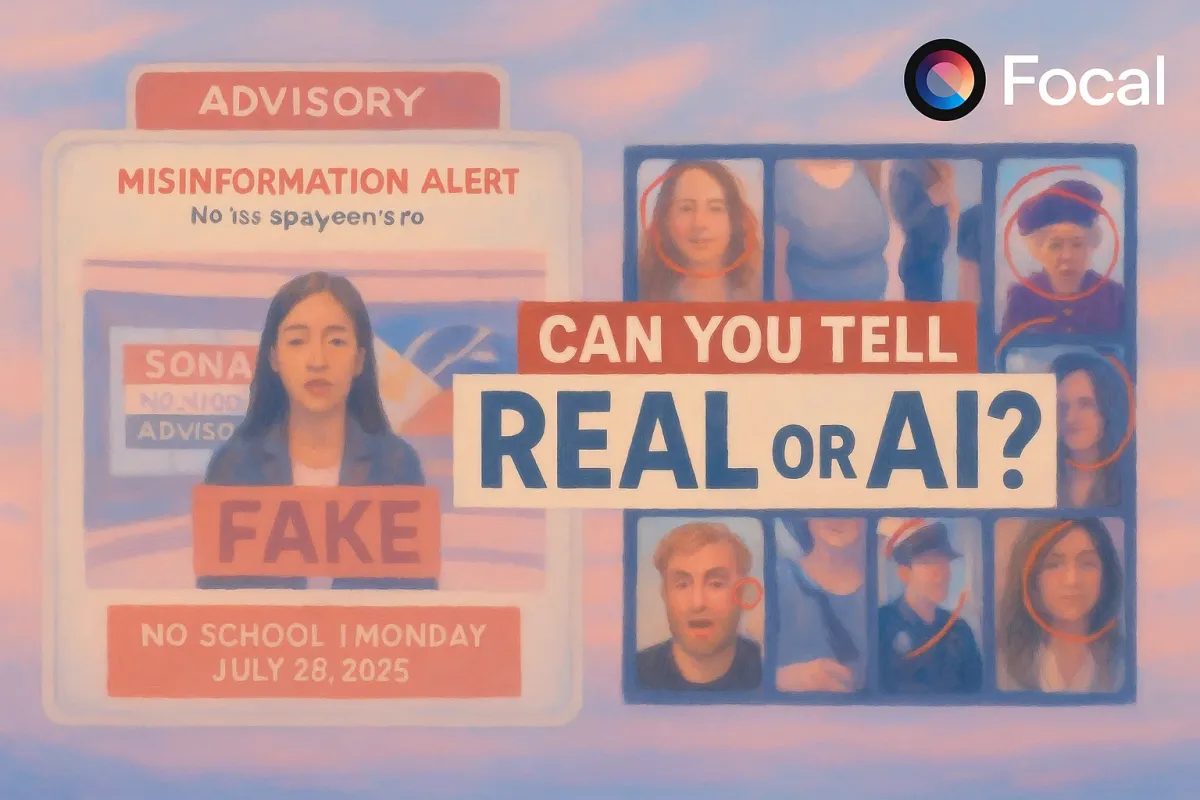
Generative AI video has become more than a creative shortcut. It shapes narratives, influences perception, and even redefines what people consider real. The fascinating part is not how these tools work but how their outputs are reshaping trust, ethics, and storytelling in digital media.
Understanding the New Layer of Visual Truth
AI-generated videos can mimic real footage with astonishing accuracy. This makes it harder to tell authentic material from synthetic imagery. The ethical challenge lies not only in spotting fake visuals but also in deciding what counts as trustworthy content in an era where “seeing is believing” no longer applies.
| Ethical Concern | Real World Impact | Recommended Practice |
|---|---|---|
| Misrepresentation | False news clips, altered interviews | Use watermarking and disclosure policies |
| Deepfake misuse | Identity harm, political manipulation | Require clear consent from subjects |
| Cultural bias | Reinforced stereotypes in visuals | Train AI with balanced and diverse datasets |
| Authenticity dilution | Loss of creative ownership | Preserve metadata and authorship info |
Spotting and Reducing Bias in Generative Video
AI models learn from massive sets of existing media. When those sources contain bias, it shows up in generated video too. The output might favor certain appearances, accents, or story structures without the user realizing it.
Practical ways to reduce bias in AI video output
- Review generated scripts and visuals with a diverse human editorial team
- Include multiple languages or cultural contexts in prompts
- Audit the tone and visual framing before publishing
- Use synthetic scenes that portray inclusivity rather than narrow representation
Bias cannot be fully erased, but awareness turns creators into active editors rather than passive users of AI.
Building Viewer Trust in Synthetic Media
When audiences know that generative content exists, skepticism rises. Yet trust can still be built through transparent design.
Helpful trust-building steps
- Disclose that generative technology was used
- Explain the intent of the video, especially when recreating real people or events
- Use consistent visual cues (for example, slight stylistic filters) to signal that the video is synthetic
- Offer behind-the-scenes material showing the creative process
Authenticity in this context does not mean everything must be real. It means everything must be clear.
The Responsibility of Creators in the Synthetic Era
Creators now operate like curators of digital truth. Ethical AI video production requires new habits of care and accountability.
Some principles shaping the new creative ethic include:
- Transparency before artistry – clear communication about what is generated matters more than technical perfection
- Consent before replication – using likenesses or voices should come only with full approval
- Purpose before reach – evaluate whether the content serves understanding, not just engagement metrics
Balancing Automation and Human Judgment
Generative tools make video production efficient, but full automation invites ethical drift. Human oversight ensures context, empathy, and cultural sensitivity remain intact.
| Task | Better Handled by AI | Requires Human Oversight |
|---|---|---|
| Scene composition | Yes | No |
| Ethical approval | No | Yes |
| Story pacing | Partial | Partial |
| Character depiction | No | Yes |
| Fact verification | No | Yes |
A balanced workflow where AI handles repetition and humans handle responsibility keeps the output both efficient and ethical.
Creating Ethical Impact Through How You Use AI Video
The future of content is not about avoiding generative AI, it’s about using it consciously. When you approach AI video tools with curiosity and care, you start shaping stories that feel both innovative and grounded in truth. That’s where the real creative power lives… in your choices, not just in the algorithm. Tools can amplify your vision, but it’s still your sense of fairness, authenticity, and respect for real people that turns tech into art with meaning.
At Focal, the models you bring together work best when guided by your intent. You set the tone, you decide what’s real enough to share, and you make ethical storytelling feel natural. That balance of tech and human judgment is what turns ordinary AI video into something worth trusting.
Focal gives you full visibility and control over your AI output, so you can create content that feels responsible and authentic.
📧 Got questions? Email us at [email protected] or click the Support button in the top right corner of the app (you must be logged in). We actually respond.
Frequently Asked Questions
What is ethical AI video and why does it matter?
Ethical AI video means creating and sharing generative video content in a way that respects truth, consent, and fairness. It matters because AI tools can easily produce realistic videos that may mislead viewers or reinforce bias if not handled responsibly.
How can AI video create misinformation?
AI video can create misinformation when generated clips are used to imitate real people, twist events, or spread false stories. Without transparency, viewers might believe synthetic videos are authentic, which can harm reputations or influence opinions unfairly.
What are common biases in generative AI video content?
Common biases in generative AI video content include overrepresentation of certain skin tones, accents, or cultural settings while underrepresenting others. This happens because AI learns from biased datasets, so creators should review and adjust outputs to ensure balanced representation.
How can creators make AI video content more authentic?
Creators can make AI video content more authentic by disclosing when generative technology was used, getting consent from featured individuals, and keeping the purpose of the video clear. Using tools like Focal helps manage different AI models in one place, making it easier to apply consistent ethical standards.
Can AI tools help reduce bias in video production?
AI tools can help reduce bias in video production when they are used thoughtfully. By combining outputs from multiple AI models and reviewing results manually, creators can detect unbalanced portrayals and adjust prompts or scenes for fairer outcomes.
Why should transparency be part of AI generated video ethics?
Transparency in AI generated video ethics builds trust with viewers. When audiences know a video is AI assisted, they can focus on the message instead of doubting its authenticity. Clear communication about how the content was made prevents confusion and keeps engagement honest.
How can I use AI video responsibly for storytelling?
You can use AI video responsibly for storytelling by focusing on accurate information, creative originality, and consent. Choose AI tools like Focal that let you integrate multiple models safely, monitor the ethical quality of your videos, and share content that feels human even when it’s generated.